
Posts by Robert Courtney
When Stress Rises, Pets Step In: What a New Global Survey Reveals About the Comfort Our Animals Provide

Life moves quickly, and stress has a way of piling up—work, family, screens, endless to-dos. In the middle of all that, one reliable source of calm often sits right beside us, curled up on the couch or nudging our hand for attention. A global survey from Mars Incorporated, conducted with Calm, highlights just how deeply…
Read MorePet Insurance Is Changing Fast – Updated Learnings for Pet Owners and Veterinary Teams

Pet insurance is moving from a niche product to a mainstream tool for managing veterinary costs. Rising prices, shifting client expectations, and new coverage models are reshaping the market. In her recent article, “Reassessing Pet Insurance†(Today’s Veterinary Business), Dr. Emily Tincher identifies five key issues that—if solved—could revitalize the decades-old U.S. industry. For both…
Read MoreRecruiting and Retaining Vets: Why Urgent Care is Attractive to Clinicians
Staffing remains one of the greatest challenges in veterinary medicine. Emergency hospitals struggle to recruit veterinarians willing to work overnight shifts under constant pressure. General practices compete for talent in a tight labor market. Against this backdrop, urgent care is emerging as a career option that appeals to clinicians seeking balance—helping practices recruit and retain…
Read MorePricing Advantage: Why Pet Parents Choose After-Hours Urgent Care Over ER
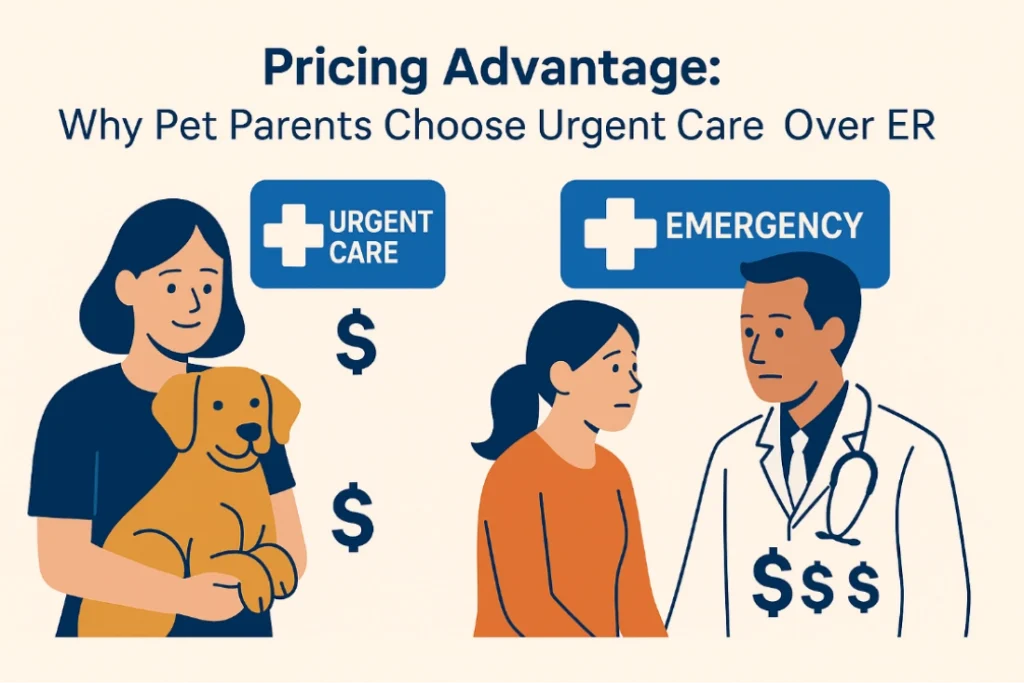
For pet owners, the decision to seek care after hours often involves weighing urgency against cost. When a condition is not life-threatening but cannot wait until morning, the emergency hospital has been the only option. Yet ER pricing is often disproportionate to the level of care required. Urgent care provides a middle path—clinically appropriate, accessible,…
Read MoreAfter-Hours Urgent Care: A Strategic Growth Lever for General Practices

Veterinary urgent care has emerged as a defined service model, positioned between daytime GP and 24/7 emergency hospitals. National players such as AVG’s UrgentVet and Alliance’s PriorityPet have ambitious expansion plans, underscoring what many GP owners already see locally: client demand for timely, affordable, after-hours access is rising fast. For independently owned general practices, the…
Read MoreWhy Urgent Care is the Next Frontier for Veterinary Practices
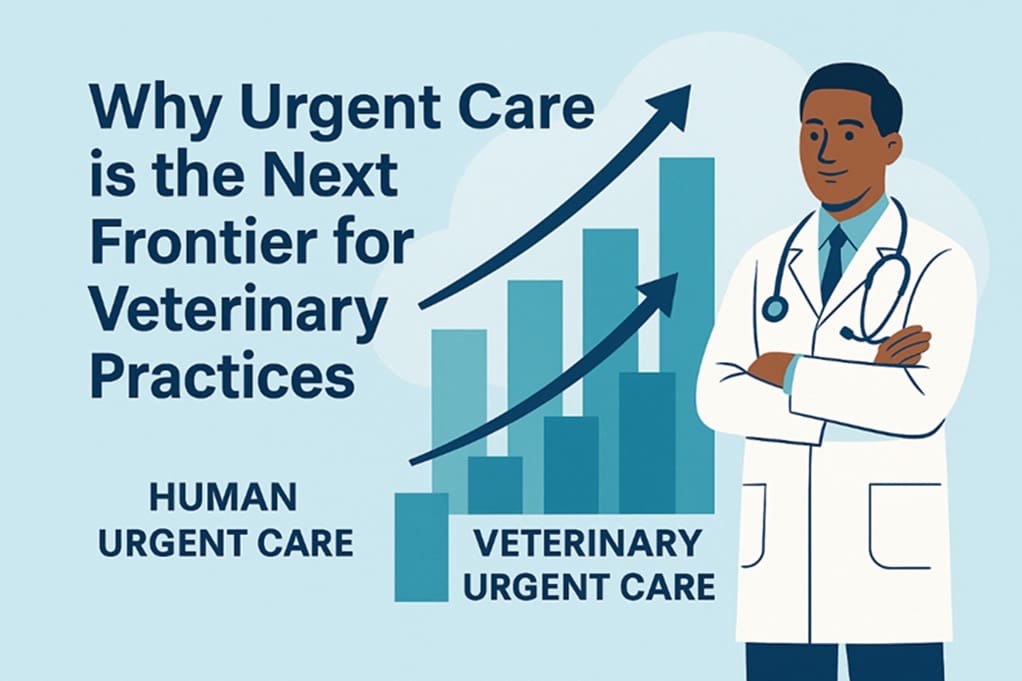
In human healthcare, urgent care has become a permanent fixture. Over the past two decades, the number of human urgent care centers in the U.S. has grown to more than 10,700, filling the space between primary care and the emergency room. Many in veterinary medicine believe a similar path is now underway. For general practice…
Read MoreRelief Veterinarian Compensation: What General Practice Owners Need to Know and Plan For
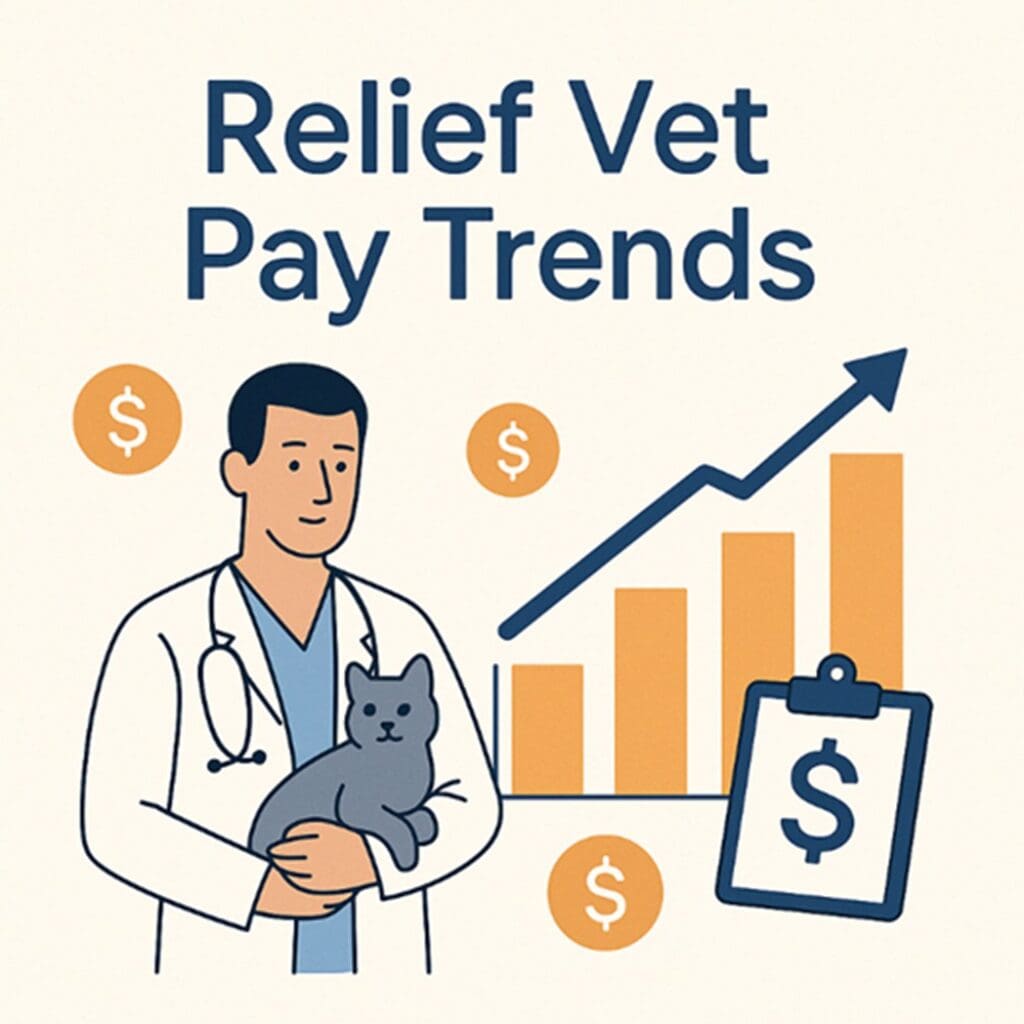
Relief veterinarians have become an indispensable part of the veterinary workforce, and the compensation they command has evolved significantly over the past three years. Between 2022 and 2025, demand for flexible, short-term veterinary coverage surged in response to widespread staffing shortages, clinician burnout, and growing pet care needs. As a result, general practice owners can…
Read MoreThe Rise of Relief Veterinarians: Growth and Workforce Shifts in 2025

The veterinary profession is undergoing a structural transformation. A notable driver of this change is the rapid growth of the relief veterinary workforce. What was once a niche career path is now a significant component of the veterinary labor market. Between 2021 and 2025, the number of veterinarians pursuing relief work has grown substantially, creating…
Read MoreHelping Pet Parents Navigate Pet Insurance: A Dual Approach for Veterinary Teams

Pet insurance questions are increasingly common at veterinary front desks and in exam rooms. “Is it worth it?†“Which company should I choose?†“What does it even cover?†Whether your veterinary team loves getting into the details with pet parents, or prefers to simply point them to solid resources, there’s a way to help every…
Read MoreBuilding Loyalty and Value: Equity Participation and Profit-Sharing Strategies for Veterinary Practices

In today’s fiercely competitive veterinary employment market, independent practice owners face a triple challenge: attracting talent, retaining valued team members, and building long-term succession plans. Rising associate salaries, competition from corporate consolidators, and growing demands for work-life balance mean the old compensation models often don’t go far enough. One approach gaining popularity? Many innovative private…
Read More